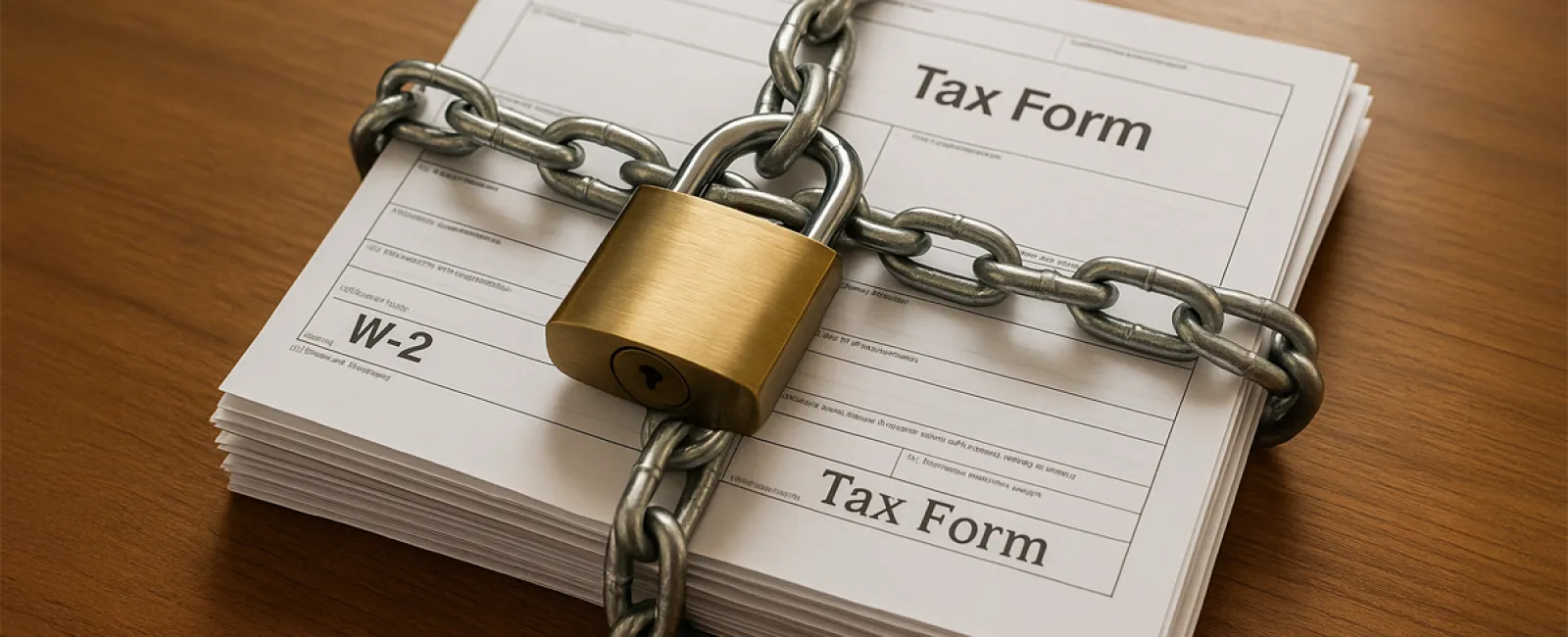
February marks the onset of tax season, a hectic time when your accountant's phone won't stop ringing and your bookkeeper is scrambling to gather documents. Everyone's focus shifts to W-2s, 1099s, and looming deadlines.
But here's an urgent alert that rarely appears on calendars: the initial tax-season headache is often not a form—it's a cunning scam.
This scam surfaces early, even before April, because it's straightforward, credible, and targets small businesses. It may already be lurking in an inbox at your company.
The W-2 Scam Explained: A Step-by-Step Breakdown
The scheme typically unfolds like this:
An employee responsible for payroll or HR receives an urgent email appearing to be from the CEO, owner, or another senior executive.
The message is brief and pressing:
"I need all employee W-2 copies for a meeting with the accountant—please send them ASAP, I'm swamped today."
The email seems credible; the tone matches the company's pace during tax season, and the request feels perfectly reasonable.
So, the employee complies and sends over the W-2s.
However, the email isn't from the CEO but a scammer using a spoofed address or a tricked domain.
The criminal now holds sensitive details for every employee:
• Full legal names
• Social Security numbers
• Home addresses
• Salary data
All the information needed to commit identity theft or fraudulently file tax returns ahead of your employees.
The Aftermath: What Victims Face
This is often how the damage is uncovered:
An employee files their tax return only to have it rejected with the message: "Return already filed for this Social Security number."
Someone else has already filed on their behalf and claimed their refund.
Now your employee is entangled with the IRS, dealing with credit monitoring, identity theft protection, and enduring months of paperwork—all due to a single deceptive email.
Multiply this risk across your full payroll. Picture conveying to your staff that their private information was exposed because of one fraudulent email.
This is not merely a security breach—it erodes trust, creates HR headaches, risks lawsuits, and damages your company's reputation.
Why This Scam Is So Effective
This isn't an obvious phishing attempt or an outlandish request from a Nigerian prince.
It's successful because:
- The timing aligns perfectly with standard tax season W-2 requests, finding no room for suspicion.
- The request is legitimate-seeming—not asking for bizarre demands like wiring money or buying gift cards.
- The urgency feels genuine, mimicking real workplace pressure.
- The sender's identity is convincingly faked with careful research.
- Employees feel compelled to assist the "boss" promptly, often bypassing verification.
Preventative Measures: Shield Your Business Before the Scam Hits
Fortunately, this threat is avoidable with straightforward policies and fostering the right culture—no complex tech needed.
Implement a strict policy: never send W-2s or sensitive payroll documents via email. No exceptions, even if the request appears to come from top executives.
Always verify sensitive requests via a second channel like calling, in-person confirmation, or an approved chat platform, using pre-known contact info. This quick check can prevent months of costly recovery.
Hold a brief, focused meeting now to inform your payroll and HR teams about this scam and response protocols. Early awareness is a valuable safeguard.
Enhance security on payroll and HR systems with multi-factor authentication (MFA). If credentials are compromised, MFA remains a robust final defense.
Foster a culture where employees feel empowered and commended for double-checking unusual requests, especially those claiming to be from senior leadership.
Follow these five straightforward rules to dramatically reduce your risk before the first scam wave arrives.
Looking Ahead: The Broader Threat Landscape
The W-2 scam is merely the first in a series of tax season cyber threats:
• False IRS notices demanding immediate funds
• Phishing emails masquerading as tax software alerts
• Spoofed communications from "your accountant" loaded with harmful links
• Fake invoices crafted to resemble legitimate tax expenses
Hackers capitalize on tax season distractions and expedited financial activities to exploit vulnerabilities.
Businesses that navigate tax season without incident aren't just lucky—they are systematically prepared with solid policies, effective training, and vigilant monitoring.
Is Your Business Prepared to Defend Against Tax Season Scams?
If your organization already has clear policies and informed staff, congratulations—you're safeguarding your business better than most small enterprises.
If this isn't yet your reality, the time to act is now—not after the first damaging scam.
Consider scheduling a quick 15-minute Tax Season Security Check where we will evaluate:
• Payroll/HR access controls and MFA strength
• Your policies for verifying W-2 requests
• Email security systems designed to detect spoofing
• A crucial but often overlooked policy adjustment that boosts protection
If your business is already prepared, fantastic. If not, you likely know a business owner who could benefit greatly from this guidance. Share this article to help them avoid a costly crisis.
Click here or give us a call at 615-989-0000 to schedule your free 15-Minute Discovery Call.
Remember, tax season is demanding enough without adding the burden of identity theft.